Leavesden estate house clearance Watford practical tips
Posted on 12/10/2026

If you are dealing with a property on or near the Leavesden estate, house clearance can feel like one of those jobs that grows arms and legs overnight. One room becomes three, then the loft, then the garage, and suddenly you are staring at piles of furniture, old paperwork, broken odds and ends, and a deadline that does not care how busy your week is. The good news? With the right Leavesden estate house clearance Watford practical tips, the whole process becomes much more manageable.
This guide breaks the job into clear, realistic steps. It covers planning, sorting, pricing, local best practice, compliance, and the mistakes that catch people out. Whether you are clearing after a move, a sale, a bereavement, or simply reclaiming space, you will find practical advice here that helps you avoid stress and get the job done properly.
- Why Leavesden estate house clearance Watford practical tips Matters
- How Leavesden estate house clearance Watford practical tips Works
- Key Benefits and Practical Advantages
- Who This Is For and When It Makes Sense
- Step-by-Step Guidance
- Expert Tips for Better Results
- Common Mistakes to Avoid
- Tools, Resources and Recommendations
- Law, Compliance, Standards, or Best Practice
- Options, Methods, or Comparison Table
- Case Study or Real-World Example
- Practical Checklist
- Conclusion
- Frequently Asked Questions
Why Leavesden estate house clearance Watford practical tips Matters
A house clearance is not just about removing clutter. In a place like Leavesden, timing, access, parking, neighbours, and what happens to the items all matter just as much as the lifting. Get those basics wrong and a simple clearance can turn into several days of delay, extra cost, or unwanted friction with the people next door. And nobody wants that.
For many households, the pressure comes from a specific event: a property sale, a tenancy ending, a death in the family, downsizing, or preparing a home for refurbishment. In those situations, the work needs to be fast but also careful. You may need to separate keep, donate, recycle, and dispose items without damaging floors, stairways, or the property itself. That sounds straightforward until you are knee-deep in boxes and old furniture that do not fit neatly into any category.
Leavesden estate house clearance Watford practical tips matter because they help you make decisions before the room fills up with decisions. That saves time, protects value in items that could be reused, and reduces the risk of sending the wrong things to the wrong place. It also makes the clearance less emotionally draining. Truth be told, that last part is often the biggest relief.
Practical takeaway: the best house clearances are rarely the fastest ones at the start; they are the ones planned well enough that the actual removal feels calm and controlled.
How Leavesden estate house clearance Watford practical tips Works
At its simplest, a house clearance follows a pattern: assess the property, sort the contents, decide what stays and what goes, remove the items, and leave the place tidy. In practice, though, each stage has small decisions that affect the whole outcome. That is where a good process saves you from last-minute chaos.
First comes the survey or initial assessment. You look at the volume of items, the type of waste, access to the property, whether there are stairs or lift restrictions, and whether any items need special handling. A single heavy wardrobe on the third floor can change the whole day's plan. So can a narrow hallway or a parking issue on a busy road.
Next, the clearance team or the homeowner sorts the contents. Usable furniture may be retained, sold, donated, or separated for reuse. Mixed household waste, bulky items, old appliances, and broken goods are then prepared for removal. Good sorting at this stage is worth its weight in gold. It cuts labour time and can improve recycling outcomes too.
Then comes the lift-and-load stage. This is where experience matters. A careful team protects walls and flooring, works in the right order, and keeps pathways clear. After that, the site should be swept through, with any final checks done on lofts, cupboards, sheds, and storage spaces. You would be surprised how often one forgotten box ends up causing a second visit.
If you are comparing approaches, remember that house clearance is not the same as a simple rubbish collection. A full clearance often includes more sorting, more handling, and more attention to what is reused, recycled, or responsibly removed. For a broader overview of residential clearance support, you can also look at house clearance services in Watford.
Key Benefits and Practical Advantages
The obvious benefit is space. Once the unwanted items are gone, the property becomes easier to clean, easier to inspect, and easier to use. But there are other advantages that people sometimes only notice afterwards.
- Faster property readiness: ideal if a sale, tenancy handover, or refurbishment is on a deadline.
- Less physical strain: heavy lifting, awkward furniture, and repetitive carrying can be exhausting and risky.
- Better sorting outcomes: reusable or recyclable items are less likely to be thrown away in a rush.
- Cleaner valuation picture: estate agents, landlords, or family members can assess the space more clearly once it is clear.
- Reduced stress: there is a real emotional lift when the property starts to feel manageable again.
Another practical advantage is that a well-run clearance creates a cleaner handover. If you are dealing with a rented property or selling a home, those final impressions count. A neat, empty room with floors visible and cupboards checked feels very different from one with a half-cleared pile in the corner and a few "we'll deal with that later" items left behind. Let's face it, later often means never.
There is also a sustainability angle. When items are separated sensibly, more can be reused or recycled. If you have good furniture, white goods, or fittings that still have life left in them, they should not be treated the same as general waste. It is a small thing, maybe, but it matters.
Who This Is For and When It Makes Sense
House clearance is not only for large family homes. It is useful in all sorts of situations, and the best time to think about it is usually before the pressure becomes urgent.
You may need it if:
- you are selling a home and need it presentable quickly;
- a tenancy has ended and items must be removed before check-out;
- you are downsizing and want to clear bulky furniture and surplus belongings;
- you are handling a bereavement and need a respectful, steady process;
- a property has been left full after years of accumulation;
- you are making space for renovation, decorating, or new tenants.
For some people, a full clearance is the right move. For others, a partial clearance is enough. That distinction matters. If the attic contains old photo albums, seasonal decorations, and items with personal value, you may want a more selective approach. On the other hand, if the garage is packed with broken furniture and long-forgotten boxes, a more complete clear-out is often the only sensible route.
To be fair, many people overestimate how much they can sort in one weekend. If you have work, family, or travel in the mix, it may be smarter to split the job into decisions and removal. A bit less heroic, perhaps, but much more effective.
Step-by-Step Guidance
If you want a smoother clearance, follow a structured process. It saves energy, avoids double handling, and gives you a far clearer sense of progress.
1. Walk through the property first
Start with a room-by-room walkthrough. Open cupboards. Check the loft, shed, garage, and under-stairs storage. The goal is to understand the full scope before anything gets moved. This is where many clearances go wrong: people start with the obvious items and only later discover the hidden ones.
2. Separate items into clear groups
Use simple categories: keep, sell, donate, recycle, and dispose. You do not need an elaborate system. In fact, too much complexity can slow everything down. A marker pen, a few labels, and some strong boxes usually do the job nicely. If an item is not clearly one thing or another, ask yourself whether it is worth the space it occupies.
3. Prioritise high-value or sensitive items
Set aside documents, jewellery, photographs, sentimental objects, and anything with clear resale value early in the process. Once a clearance begins, things move quickly and it is easy for small valuables to disappear into "the general pile". That pile has a funny habit of swallowing everything.
4. Measure access before moving heavy items
Check stair turns, door widths, lift access, parking distances, and any tight corners. This matters especially in properties with older layouts or narrow access routes. A large sofa may be fine in the living room but awkward on the way out. Knowing that in advance helps avoid damage and delay.
5. Plan the load-out order
Heavy and bulky items usually go first, but the exact order should suit the property. Often it makes sense to remove furniture before smaller loose waste, because it creates working room. A good load-out order keeps things safe and efficient, and you will notice the difference by the end of the day.
6. Leave time for a final sweep
Before sign-off, check every storage area, drawer, and shelf. It sounds obvious. Yet it is amazing how often one key folder, cable box, or keepsake gets left behind. A final check can save a lot of frustration later, especially if the property is changing hands.
7. Choose disposal routes carefully
Not everything should go to general waste. Reusable furniture, metal items, clean wood, electrical goods, and cardboard may all have different handling routes. A responsible clearance provider should know how to separate these properly. If you are handling it yourself, ask where each category should go before you start loading the van.
Expert Tips for Better Results
There are a few small habits that make a big difference. None are complicated, but together they save time, money, and stress.
Tip one: clear one room completely before moving to the next, unless you are dealing with a large property that needs an access route kept open. Mixed-room sorting creates confusion. One tidy room feels like progress. Three half-tidy rooms feel like a headache.
Tip two: photograph anything you may want to sell, insure, or keep a record of. This is especially useful for antiques, electronics, or items of uncertain condition. A quick picture can also help with family discussions if several people need to agree on what stays.
Tip three: keep bins, bags, and boxes simple and visible. Clear labels are better than clever labels. "Keep", "Donate", and "Recycle" are more useful than a colour code no one remembers by 3 p.m.
Tip four: protect floors and corners if you are moving items yourself. Old carpet can catch, painted walls can scuff, and door frames seem to attract awkward furniture like magnets. Some of this is unavoidable, but a bit of preparation helps.
Tip five: be honest about emotional load. A house clearance can stir up memories, particularly in long-occupied homes. If you need breaks, take them. No one clears faster by forcing themselves into a fog. That is not how brains work, annoying as that is.
Tip six: if timing matters, build in a buffer. A same-day finish sounds lovely on paper, but real homes rarely behave like spreadsheets. Weather, access, extra items, and last-minute decisions can all add time.
If you want to understand the wider waste handling side as well, the service areas around removal and recycling can be useful context. For example, this page on rubbish clearance in Watford gives a broader sense of how mixed waste is handled.

Common Mistakes to Avoid
A lot of clearance problems are predictable, which is good news because predictable problems are the easiest ones to prevent.
- Starting without a plan: it leads to duplicated work and missed items.
- Assuming everything is waste: some items may have reuse value or sentimental value.
- Ignoring access issues: parking, stairs, and narrow corridors can change the whole job.
- Mixing reusable items with general rubbish: this reduces recycling opportunities and can raise cost.
- Leaving the final sweep too late: forgotten items often turn up after the clearance van has gone.
- Underestimating the emotional side: this can slow decisions more than the physical work does.
Another common mistake is focusing only on visible clutter. Cupboards, loft spaces, under beds, and garages often contain more volume than people expect. You do not want to finish the living room and then discover three decades of "temporarily stored" belongings upstairs. Happens more often than anyone admits.
Also, do not leave waste separation until the very end if you are handling it yourself. By then, you are tired, and tired people make lazy decisions. That is just human nature.
Tools, Resources and Recommendations
You do not need specialist kit for every house clearance, but a few basic tools make life much easier.
- Strong gloves: useful for broken items, dusty loft spaces, and sharp edges.
- Heavy-duty bags and boxes: better than flimsy sacks that split halfway down the stairs.
- Labels and marker pens: essential for quick sorting.
- Tape measure: helpful when checking whether bulky items will fit through exits.
- Protective sheets or covers: sensible for floors, door frames, and furniture you are keeping.
- Basic cleaning supplies: broom, dustpan, wipes, and bin liners for the final tidy-up.
If you are comparing clearance options, it can also help to look at related services depending on what else is in the property. A packed loft may call for loft clearance in Watford, while a garage full of old tools and boxes may suit garage clearance support. If the property includes outdoor overflow, a separate garden waste removal service in Watford can be useful too.
For many households, comparing the available service types is half the battle. Some jobs need a simple one-off removal. Others work better as a full property clearance with sorting, loading, and disposal built in. A bit of planning here saves bother later.
Law, Compliance, Standards, or Best Practice
House clearance involves waste handling, so it should be approached with care and common sense. In the UK, waste must be passed to a properly authorised carrier or taken to an appropriate disposal route. If you hire someone, it is sensible to check that they operate responsibly and that waste is handled in line with accepted practice. You do not need to become a legal expert, but you do want to avoid a fly-tipping problem ending up being your problem.
Electrical items, fridges, freezers, paint, chemicals, and some household materials may need special treatment. Sharp objects and heavy items should be moved safely, with sensible lifting technique and clear walkways. If you are dealing with a property that may contain hazardous material, stop and get proper advice rather than improvising. That is one area where guesswork is a bad idea.
Best practice also means respecting neighbours and shared spaces. Keep access clear where possible, do not block drives without warning, and plan for noise and loading times. In a leafy residential area like Leavesden, a tidy, efficient job makes life easier for everyone around you.
It is also worth checking whether the provider you use has suitable insurance and clear procedures. For background on those sorts of safeguards, the page on insurance and safety is a useful reference point.
Options, Methods, or Comparison Table
There is more than one way to handle a clearance. The right choice depends on time, volume, access, and how much sorting you want to do yourself.
| Method | Best for | Pros | Watch-outs |
|---|---|---|---|
| DIY clearance | Small jobs, low volume, flexible timing | More control, may suit gradual sorting | Physically demanding, slower, disposal logistics can be awkward |
| Partial clearance | Properties with items to keep, sell, or donate | More targeted, less disruption, good for family decisions | Needs clear labelling and careful planning |
| Full house clearance | Moves, sales, bereavement, or emptying a whole property | Fast, organised, less lifting for the homeowner | Requires trust, proper access planning, and clear instructions |
| Room-by-room staged clearance | Busy households or emotionally difficult properties | Gentler pace, easier decisions, good for large homes | Takes longer overall if not managed well |
If you are not sure which method fits, ask yourself one simple question: do you need the property cleared quickly, or do you need the process to feel controlled and measured? The answer usually points you in the right direction.
Case Study or Real-World Example
Here is a realistic example. A family in Leavesden needed to clear a three-bedroom home before a sale could progress. The property had standard furniture, a packed loft, a small garage, and several rooms with mixed belongings. They had only a limited window to work with because one relative was travelling, and two others could only help at the weekend. So, the job needed structure.
They began with a room-by-room sort and set aside documents, photographs, and a few sentimental items immediately. That removed a lot of pressure. Next, they checked access: the front path was narrow, the hallway had a tight turn, and the loft hatch was awkward, which meant the large furniture had to be planned out first. That kind of detail is easy to miss until the moment you are trying to angle a wardrobe through a doorway. Not fun.
By separating reusable furniture from general household waste, they reduced the amount that needed standard disposal. They also arranged the clearance around the property viewing schedule so the house looked open and tidy when the agent returned. The family said the biggest relief was not just seeing the house empty, but knowing nothing important had been thrown away in a rush.
The lesson? The success of a house clearance often depends less on brute force and more on calm preparation. A simple plan, a sensible order, and a little patience made the whole thing easier.

Practical Checklist
Use this checklist before the clearance starts. It is deliberately simple.
- Walk through every room, including loft, garage, shed, and cupboards.
- Separate keep, sell, donate, recycle, and dispose items.
- Remove valuables, documents, and sentimental items first.
- Check access, parking, stairs, and any tight corners.
- Decide whether you need full clearance or only selected rooms.
- Label boxes and bags clearly.
- Protect floors, walls, and door frames if moving items yourself.
- Confirm how electricals, bulky items, and special waste will be handled.
- Allow time for a final sweep after removal.
- Keep a note of anything that should not leave the property.
Quick tip: if you are in any doubt about an item, set it aside rather than deciding under pressure. A small pause can prevent a big regret.
Get a free quote today and see how much you can save.
Conclusion
Leavesden estate house clearance Watford practical tips are really about making a difficult job feel less overwhelming. Once you break the process into sorting, access, removal, and final checks, it becomes much easier to handle. You do not need a perfect system. You need a workable one, and then the discipline to stick with it.
If you plan carefully, protect what matters, and stay realistic about the time and effort involved, you will avoid most of the common headaches. That leaves you with a property that is cleaner, clearer, and ready for the next step. And honestly, there is a lot to be said for that quiet moment when a cluttered room finally looks like a room again.


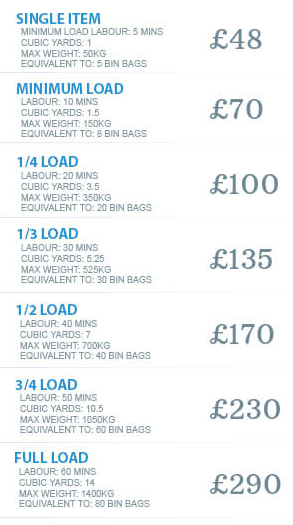
 Tipper Van - Rubbish Removal and Waste Disposal Prices in Watford WD1
 Luton Van - Rubbish Removal and Waste Disposal Prices in Watford WD1